
For founders who have become the default route for everything
Get one full day back every week
Without the business asking more of you on the other four.
Your calendar is full. Your team is capable. And the decisions still come back to you.
How much of this week was actually yours?
In 30 days you find the work that no longer needs you. You move the decisions and the context that keep returning it. And you test whether the business can run one full day without you.
The quiet month never comes. Start in this one.

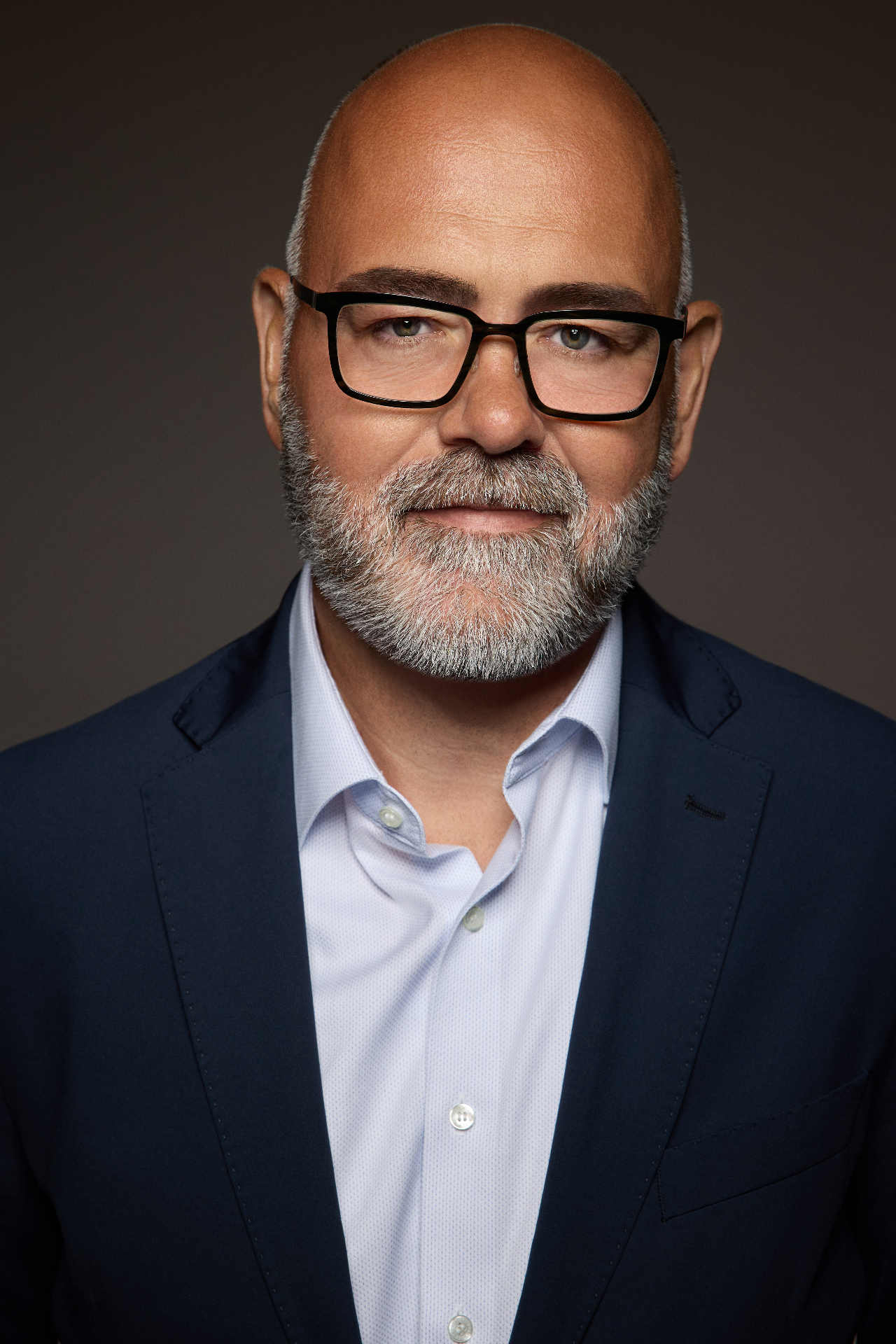
Dennis Kuipers — Founder of Lancestone
His business stopped growing at around £2.5 million in annual revenue. Too much still depended on him. This programme distils the first changes he had to make.
Who it is for
Founders turning over roughly £1m to £10m, with a capable team
Outcome
One protected Founder Day a week, tested under normal operating pressure
Format
30-day guided implementation programme: playbook, videos and tools
Time it asks
The audit runs inside an ordinary working week. The transfer conversations in Weeks 2 and 3 are the real commitment
The week takes more out of you than it used to, and the business has stopped moving forward.
The work still gets done. Clients are happy. From the outside it looks like a good year, and it is.
Inside, the weeks are going by and you cannot point to what you moved. You start Monday with a plan and finish Friday with a list of things you rescued. Revenue has plateaued. You are busy, and you are not going where you intended to go.
There is no crisis to justify any of this. That is why it is so difficult to explain: to your team, to the people at home, and to yourself.
Most founders never get this far. The way you built this business is exactly what made it grow. It is also what makes it depend on you now.
I experienced my own founders' prison much earlier than you might expect: when the company had grown to around fifteen to twenty people.
Which of these was true last week?
Founder dependency is built one sensible decision at a time.
You kept the client relationship because it mattered. You approved proposals because commercial judgement was inconsistent. You joined the delivery meeting because the team lacked context. You answered quickly because delay would have cost money.
Every one of those decisions was correct on its own.
Together, they taught the organisation where certainty lives.
The visible symptom is a full calendar. The mechanism underneath is more specific: work stops, slows or loses quality when your attention is unavailable.

Dependency takes four forms
Attention
People need your presence to keep momentum going. You are kept in the loop on work that could continue without you.
Decisions
The team can analyse and recommend, and progress waits for your approval or your judgement.
Knowledge
Essential context sits in your head. You remember why an agreement was made and what an acceptable result looks like.
Relationships
A customer, supplier or colleague trusts you more than the role or the system around you.
One activity usually carries several of these at once. A senior client who calls you whenever delivery is at risk looks like a relationship. Underneath sits the knowledge only you hold and the remedy only you can approve. Moving that call to somebody else returns almost no time, because the new person still needs your context and your permission.
This is why “delegate more” is inadequate advice.
The useful question is different: what would the business need in order to carry this outcome without you?
You have probably tried more than one of these already.
Hiring a manager
Capable people can only manage what already exists. When the task moves and the authority does not, the same decisions arrive on your desk through a new person.
Delegating more
Assignment changes who performs the work. Ownership changes who carries the result. Most delegation moves the task and leaves the judgement, the follow-up and the worry exactly where they were.
Blocking time
A blocked day protects a slot in the calendar. It does not protect capacity. Operations reclaim the block, because the demand that fills it never changed.
None of these change the demand. Time comes back when the work that produced it changes shape.

His business stopped growing at £2.5 million
Dennis had built a business doing around £2.5 million a year. Then it stopped growing. Decisions, relationships and responsibilities still ran through him. He worked constantly, mostly inside the business, with too little time to build what it needed next.
The business looked bigger but felt heavier.
He changed the structure: what came back to him, who held which decisions, and where the context lived. As the business became less dependent on him, he could design its next stage. It grew to more than £42 million in annual revenue, 250 people and 35 countries.
One free day does not build a £42 million business. But no business enters its next phase while its founder is still carrying the current one.
These 30 days are the first step of that shift: protected founder capacity, inside the business you already have.

Four weeks. This is where you stand at the end of each one.
By Friday, each hour falls into one of two categories.
The work that should never have reached you is gone or rerouted, and the first three changes are already running.
The work that stays has owners who can decide without asking you.
You take the day. The business runs. Whatever interrupts you gets repaired, and the next four days are in the calendar.
By Day 30 you have
- —a factual record of your week;
- —a map of the business's dependence on you;
- —changes worth at least eight hours;
- —transferred outcomes with named owners and decision rights;
- —a protocol that protects the day;
- —evidence from one complete proof day;
- —the next four Founder Days booked.
The programme
Get One Day BackWhat you get
The Playbook
This is where the 30 days actually happen. You write down what your week is really doing, what you are changing, who takes over what, and the rules that protect the day. By Day 30 it holds a record of decisions you have made in your own business.
The videos
Dennis takes you through the judgement calls: where the hours are actually hiding, why a handover comes back, and what to do when the day gets interrupted. Every one ends with the next thing to do, so you are never watching without acting.
Tools you keep using
A short set of one-page tools for the situations that recur: preparing a protected day so it produces something, settling a decision that travels back up to you, and checking each week whether anything has crept back.
What it looks like when the founder stops being the operation
Before
Hjalmar founded Insito Payroll, an international payroll business turning over £3m across two countries. He worked seven days a week, often deep into the night, solving client problems himself. Every decision came back to him.
What changed
He handed his operational tasks over in a matter of weeks, working side by side with a new team member until the work no longer needed him, and gave operational leadership to his partner in Spain.
After
Today he spends zero days in the operation. The business runs in eight countries instead of two, three of them brought to maturity within a year, and he can be away for weeks without anything stalling. His focus now is the path to £25m.

Hjalmar van Tolie
Founder, Insito Payroll
£3m
Revenue
2 → 8
Countries
0
Days in operation
“The moment I stopped solving everything myself, the business started moving faster than I could on my own.”
OTHER FOUNDERS IN THE MIDDLE OF IT
“It gives me exactly the push I was looking for. I'm now actually taking the steps to restructure my companies, which gives me a far clearer view of the whole and a sharper focus on what comes next.”
“A lot has already changed behind the scenes. We brought in extra support and started automating for clarity and structure, and now everyone has a clear picture of their own tasks, whereas before we all had too much on our plate.”
“It keeps me sharp and makes me think differently about my role in my own company.”
This is for you if
- you run a business turning over roughly £1m to £10m;
- you lead a growing team and remain accountable for company results;
- too many decisions still travel upwards, from people who are capable of making them;
- you have the authority to change decision rights and ownership;
- you are willing to change your own operating behaviour as well as the team's.
This is not for you if
- you are pre-revenue, or operating without a team who could carry an outcome;
- your business is in a crisis that makes a normal 30-day test impossible;
- you want calendar tactics and productivity systems;
- you want somebody else to implement the change on your behalf;
- you don't want to examine your own role.
Questions founders ask before they start
Get One Day Back, start now
Your business does not need less ambition from you. It needs your attention in a different place.
In 30 days: find what no longer needs you, transfer the work without losing quality, and test one full Founder Day under normal operating pressure.
The first ten minutes after you join
- 01You watch the first video, The 30-Day Contract.
- 02You open your calendar and book four Founder Days.
- 03You begin the five-day audit on your next ordinary working day. You do not need a quiet week. An ordinary one is what the audit needs.
Get One Day Back
30-day guided implementation programme
- Immediate access
- Lifetime access to all materials