
FOR FOUNDERS WITH $1M+ IN REVENUE
Your business has grown. Now you're the one stuck.
For founders whose company leans on them, and has stopped scaling.
- Everything ends up on your desk.
- Your team waits for your decisions.
- Without you, growth slows or stops.
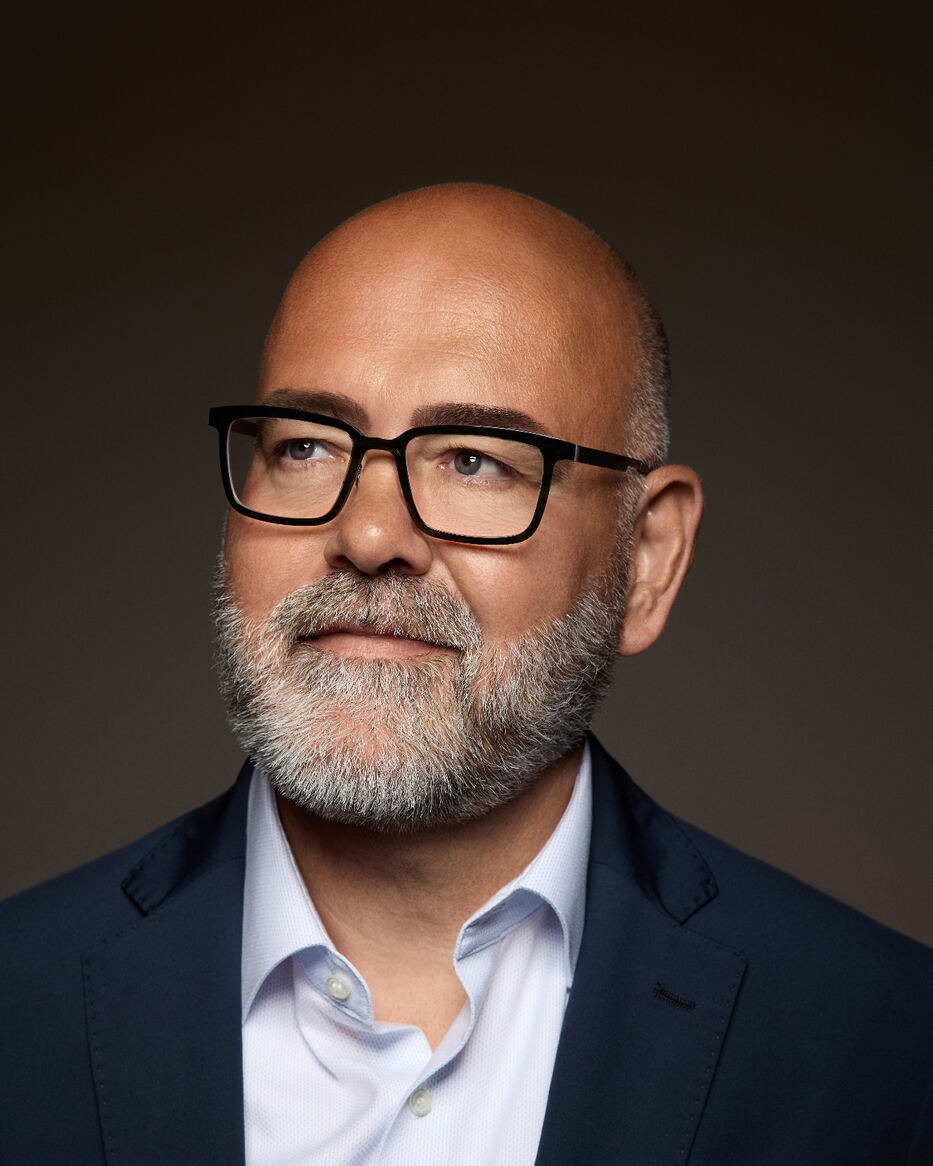
Dennis Kuipers did it himself. Built a company from zero to $42M+ in revenue and 250+ employees. And eventually sold it. Then wrote Breaking Out of Founders' Prison, now an international Amazon bestseller.
Founders' Prison
Your business doesn't have to stay dependent on you.
From a business that leans on you to a business that runs on structure.
You're still the engine.
You're not just the founder. You're also the final escalation point, the firefighter, and the one accountable for everything.
Your team waits for you to make the call.
Your week fills up with escalations and last-minute fires.
Step away for a moment? Progress stalls immediately.
Your business runs without you.
Not because you disappear. Because you become the founder again, instead of the operation.
People make decisions without coming back to you.
Structure replaces fires and loose ends.
Your business stays strong, even when you step back.
Your next step
In a few minutes, see where your business still leans on you, and where to pull the first lever to break out.
See exactly where you're stuck
You think you just need another manager.
But that won't solve your problem.
You can keep hiring. Another manager. Another layer.
But until you change the structure, your business stays dependent on you.
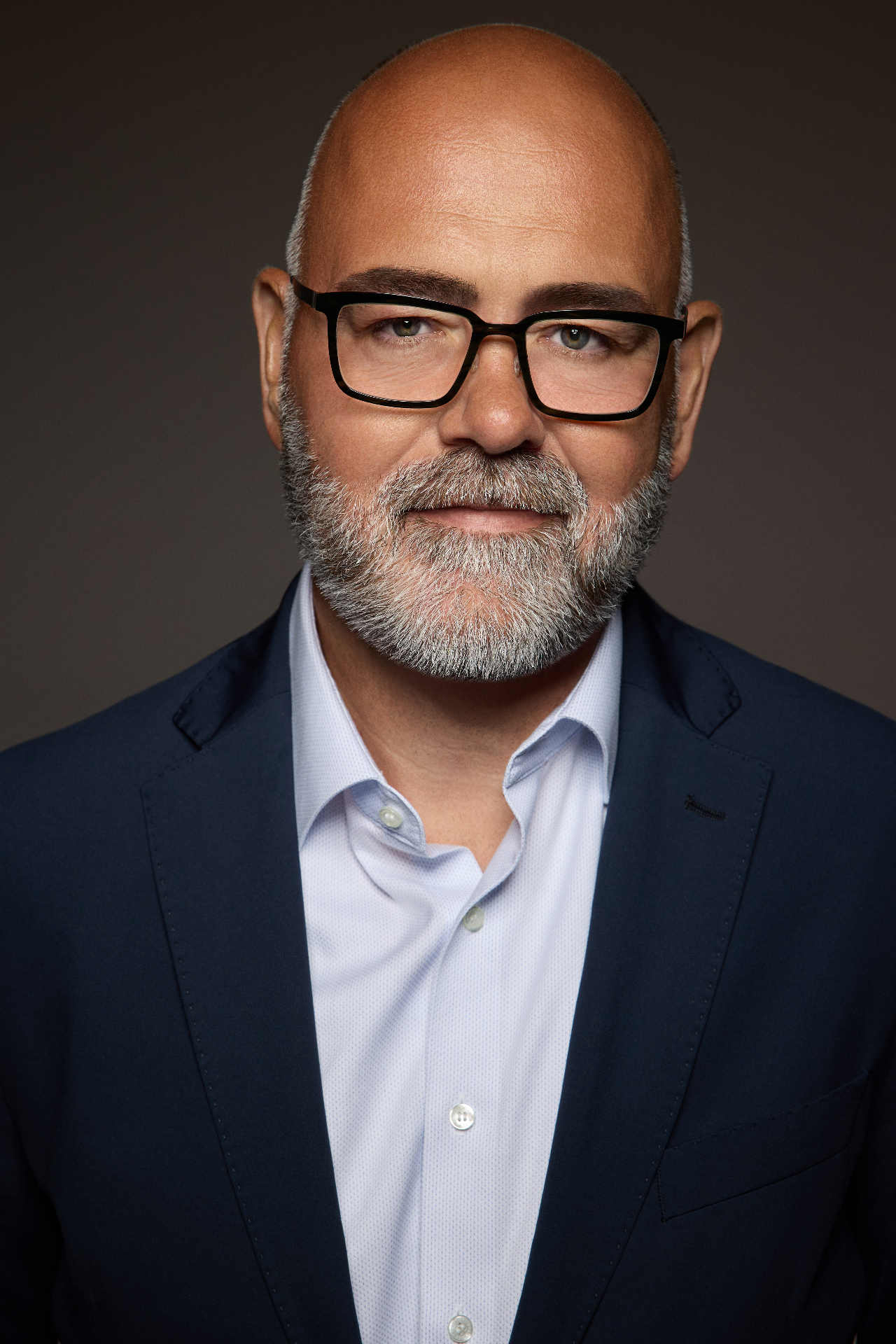
When my company grew to around 15 to 20 people, everything seemed to be going well. Clients were happy, the team was strong, revenue was climbing.
But almost every decision still came back to me.
I thought I could fix it by hiring an operations manager. On paper, the right move. In practice, it didn't work.
The team didn't fully accept the role. Decisions kept coming back to me. And I kept catching everything myself.
Instead of creating space, the structure became more fragile.
Later I tried again with someone else. It worked for a while, but everything still came back to me.
Then I realized:
The problem wasn't the people. It was how the business was built. Swapping people doesn't solve a structural problem.
"My situation is different."
That's what almost every founder thinks at this point.
You might think
"My business is different"
"My market is different"
"This works for others, but not for me"
Because your niche is specific.
Because your clients are different.
Because your business was built your way.
But under the surface, the same thing happens.
Every business grows through the same phases.
And runs into the same walls.
At a certain point
Everything routes back to the founder
Growth slows
Complexity rises
Effort stops compounding
Your business isn't different.
You face the same challenges as every business at this stage.
Whether you
The underlying structure determines the outcome.
Not your niche. Not your market.
That's why this doesn't work with "tips" or "tricks".
It takes a different way of looking at your business.
Not what you do, but how you've built it determines whether you can keep growing.
Exit Design
Most founders build without an endgame.
And get stuck because of it.
You might think of an exit as a sale. But there are four ways to design one.
Most founders build their business without deciding where it should go.
"I want to sell one day"
"I want more freedom"
"I want to build multiple companies"
"I want to leave something that lasts"
But their business isn't built for that.
What you build now determines what you can take out later.
Sale Design
Sale
You build a business that's transferable.
Value lives in systems, not in you
Freedom Design
Freedom
You build a business that runs without you.
You get time, space, and control back
Portfolio Design
Portfolio
You build a base for multiple businesses.
You grow as a founder, not just as a company
Legacy Design
Legacy
You build something that outlasts you.
Focus on continuity and impact
From goal to route
You know what you want.
This is how you get there.
Whether you want to sell, gain more freedom, or build a portfolio - every exit starts on the same foundation: a business that doesn't depend on you.
THE METHOD
The Breakout Model.
The methodology Dennis teaches inside Lancestone, for moving founders from operator to leader, and from trapped to free.
- 01
Analyze
See how your business actually works, and where it depends on you.
- 02
Design
Architect a scalable model: decisions, processes, and ownership built around the team.
- 03
Shift
Evolve as the leader: from doing and deciding to designing and guiding.
- 04
Build
Install the structure, roles, and systems that let the business operate without you.
- 05
Lead
Step into the founder's actual job: vision, strategy, and the next horizon.
What changes
Less dependency on you
Calm and clarity in your business
Faster, better decisions
Predictable growth
More profit, less chaos
A business that's ready for an exit
From the field
From stuck to growing
Before
15 employees, everything routed through him
Operations manager → didn't work
Bottleneck on every decision
After
Team takes real ownership
Decisions stop bouncing back
+40% growth in 12 months
Reviews
Words from founders who made the shift.
“It's new to me, but it gives me exactly the push I was looking for. I'm now actually taking the steps to restructure my companies, which gives me far more overview and a clear focus on what's next.”
Justin Speksnijder
Founder
“A lot has already changed behind the scenes. We brought in extra support, started automating for clarity and structure, and now everyone has a clear picture of their own tasks, where before we all had too much on our plate.”
George Verdam
Founder
“We've already taken real steps on growth. We've decided to hire, posted the vacancies and spoken to our first candidate. I'm changing how I work too, and it pays off immediately.”
Ivo Geernaert
Founder
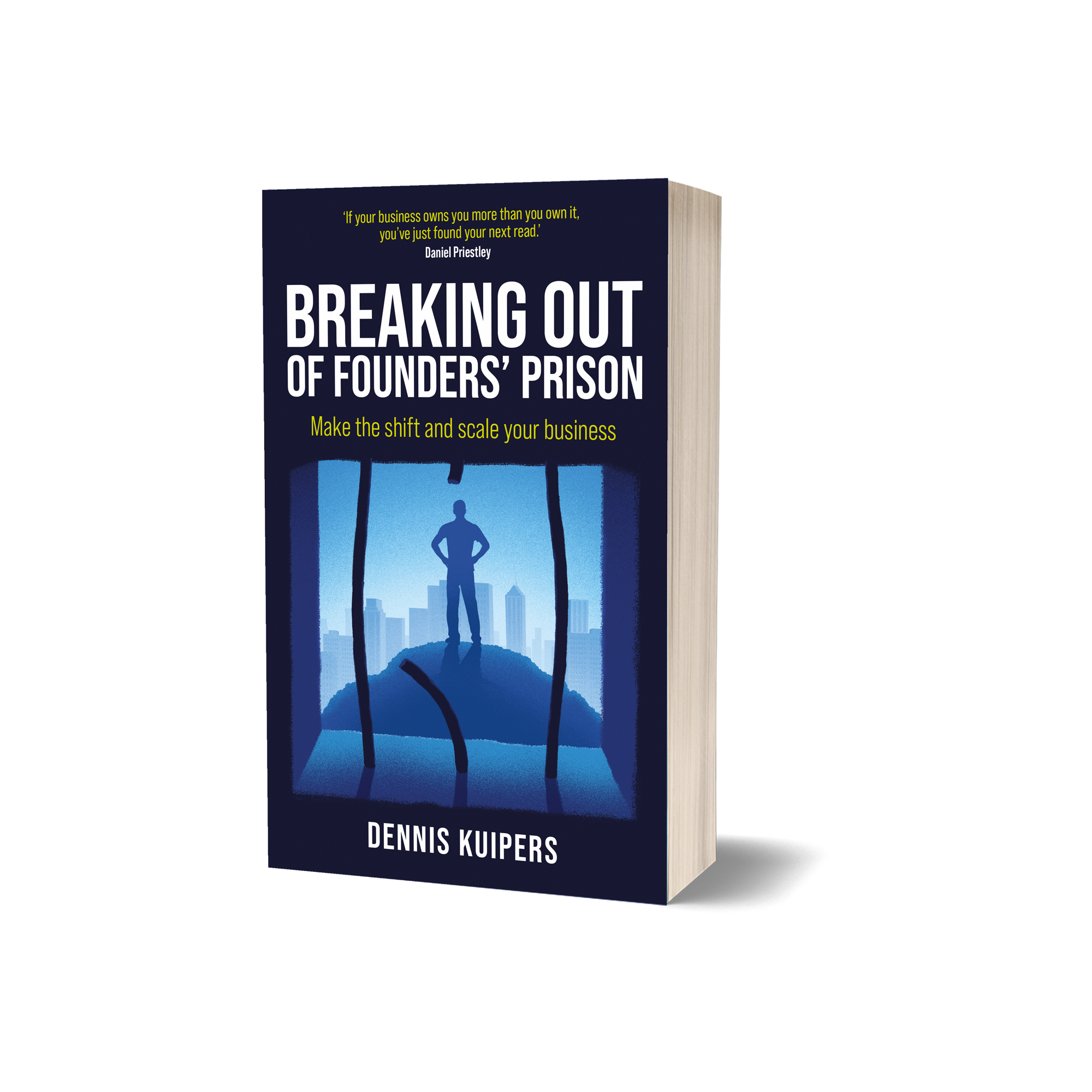
THE INTERNATIONAL AMAZON BESTSELLER
Breaking Out of Founders' Prison
Make the shift and scale your business.
Founders don't get stuck because they lack ambition, discipline, or intelligence. They get stuck because the structure they built in the early years no longer fits the company they're trying to grow now. Dennis calls it Founders' Prison, and this book is the way out.
It's built on Dennis's own escape from a seven-figure ceiling and on the experience of more than 100 founders he has guided through the same shift. Inside, he lays out the Breakout Model in five clear stages — Analyze, Design, Shift, Build, Lead — with the practical tools, real case studies, and reflection questions that make the change stick.
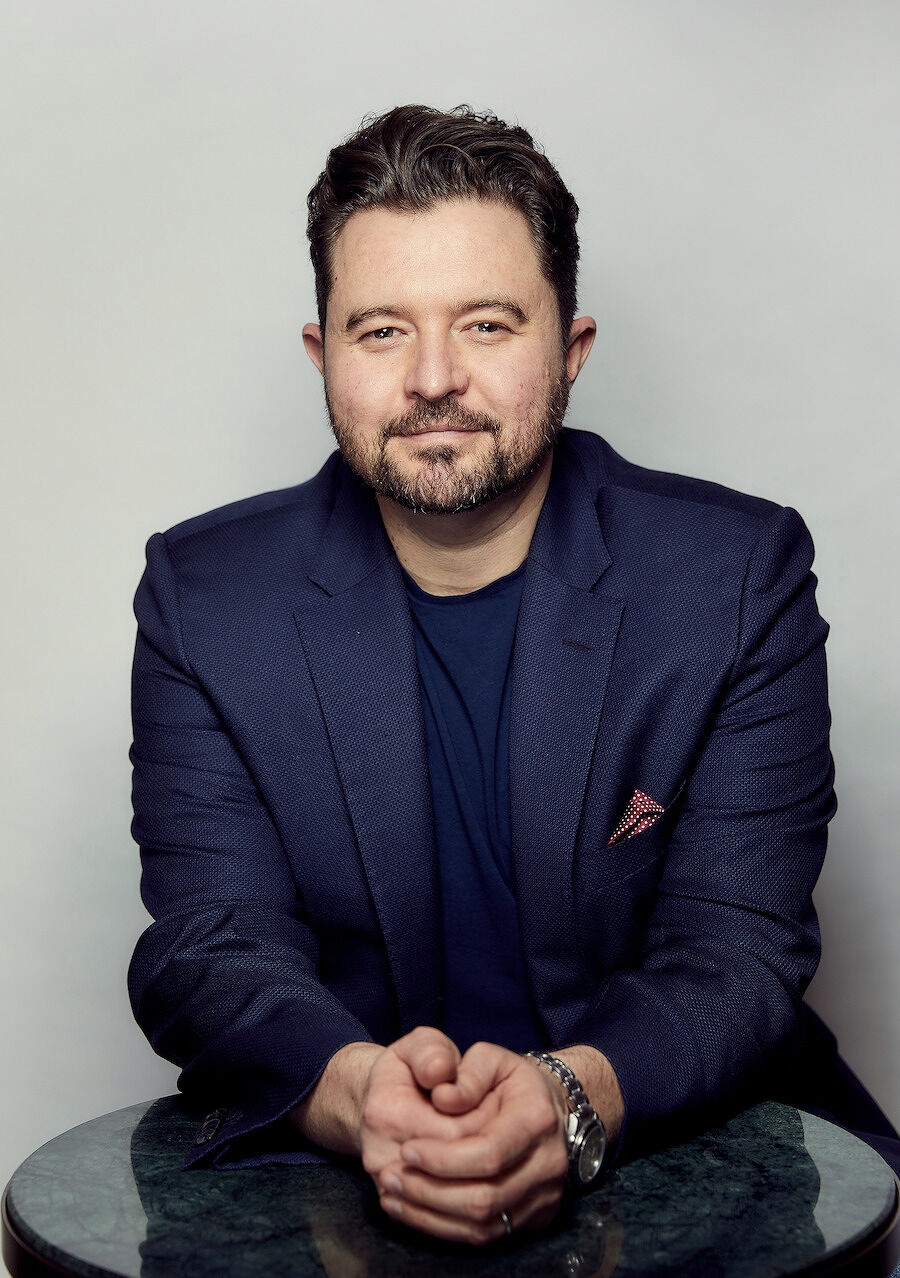
“This book is a must-read if you are a founder wanting to grow your business.”
Get One Day Back
Get one full day back every week
A 30-day guided implementation programme for founders whose decisions still come back to them. Find the work that no longer needs you, move it, and test whether the business can run one full day without you.
Explore the programme